Does invoice management software drive the green transformation? The short answer is that it can, but not simply because a document is digitized. The green transformation is not a switch that turns on when a tool is adopted; it is a structural change in the way a company operates. For invoicing to deliver environmental value, it must be connected to broader processes: procurement, logistics, production, compliance and reporting. That is where a solution built as part of a wider digital strategy makes the difference compared to a simple invoicing program.
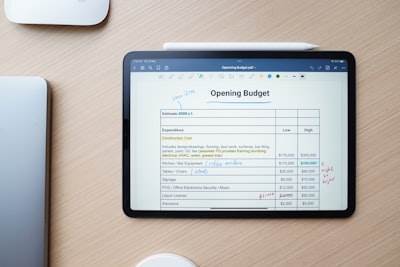
An invoice goes through more decisions than it seems. From the moment an electronic invoice or a scanned document arrives until it is posted in the ERP, there are data checks, business rules, approvals and exceptions. Specialized software reduces manual intervention, shortens cycle times and prevents errors. That not only improves financial operations; it also has an indirect environmental effect: less paper, fewer physical files, fewer trips to sign or consult documents, and lower resource consumption associated with administrative management.
But we have to be rigorous. Digitalization also consumes energy: servers, networks, devices and data centers have a carbon footprint. If a company digitizes invoices but keeps oversized infrastructure or inefficient applications, the ecological benefit is diluted. That is why technology must be chosen with efficiency criteria in mind. This is where architectural decisions come in, such as using AWS/Azure cloud, which make it possible to adjust consumption to real demand, or developing custom software that avoids unnecessary features and redundant processes.
At Q2BSTUDIO we understand green invoicing as an engineering exercise. It is not only about replacing paper with a PDF. It is about building a flow where every piece of data is used, every approval follows a clear rule, and every exception is detected before it creates costs. To achieve this, custom software development is the most effective path, because it allows the business logic to be aligned with the organization's environmental goals, without depending on generic solutions that impose their own criteria.
Moreover, invoicing can become a gateway to eco-friendly processes. A well-configured system can channel energy consumption data, generate work orders for environmental inspections, remind about permit renewals, or coordinate waste reduction initiatives with suppliers. It is not that the invoice itself does sustainability; it is that the system processing it can connect to other data sources and trigger responsible actions automatically.
For that connection to be useful, measurement is necessary. An organization cannot reduce what it does not know. This is where Business Intelligence comes in. By crossing invoicing data with sustainability indicators, a company can see how much each supplier consumes, which spending categories generate more emissions, or how the carbon footprint of purchasing evolves. Business Intelligence and Power BI solutions make it possible to visualize this information and share it with decision-making teams.
Artificial intelligence adds another layer. Today it is possible to train models that classify invoices, detect anomalies, anticipate posting errors and suggest corrective actions. AI agents can automatically review the consistency between an invoice, the related purchase and the signed agreement, flag deviations and alert the right person before the problem escalates. This not only reduces manual work; it also avoids duplicate payments, late penalties and unnecessary processes, which also have an environmental cost.
Of course, so much automation requires a solid cybersecurity foundation. Financial data is a critical target, and a security breach can halt operations and destroy trust. Responsible invoice software must include encryption, access control, event auditing and fraud protection. At Q2BSTUDIO we integrate security measures from the design phase, not as an afterthought, because a sustainable digital transformation also has to be secure.
Collaboration with suppliers and partners is another ecological front. When invoice software is not isolated, it can share information with customer and supplier platforms. That is how joint dashboards are built, where both sides see the status of orders, invoices and environmental indicators. This transparency facilitates agreements to reduce packaging, optimize delivery routes or consolidate purchases, and allows sustainability to stop being an internal speech and become a shared practice.
From a regulatory standpoint, digital traceability is a huge advantage. Modern invoicing systems keep a complete record of each operation: who created it, who approved it, which rules validated it and when it reached the ERP. This information is key to obtaining environmental accreditations, passing inspections and demonstrating compliance with ecological regulations. Without a reliable database, any sustainability claim can become a reputational risk.
The key is in the approach. Invoice software does not transform a company by itself. What transforms a company is the way it uses technology. That is why it makes sense to talk about roadmaps, not miracle installations. At Q2BSTUDIO we design adoption plans that incorporate environmental tracking indicators: resource consumption, process efficiency, data quality and emission reduction. That way, every technological advance is also evaluated with ecological criteria.
Let's look at a practical example. A company receives thousands of invoices a year, many on paper and others in different formats. If it implements a system that digitizes and validates them automatically, the first impact is clear: less paper and less time. But if it also connects that system to its warehouse and delivery planning, it can prioritize suppliers with better environmental performance, reduce returns and adjust orders to real demand. Invoicing stops being a formality and becomes a source of business intelligence.
The choice of infrastructure also matters. Migrating to AWS/Azure cloud is not only a technical decision; it is an ecological decision. Instead of keeping physical servers running 24/7, a cloud platform scales according to demand and allows only the necessary resources to be used. This reduces electricity consumption and makes it easier to measure the environmental impact of the operation. In addition, major cloud providers publish sustainability reports, which helps companies report their own Scope 3 emissions.
People also matter. The green transformation is not achieved by imposing a tool; it is achieved by training teams and giving them useful information. When procurement, finance and operations managers understand that every invoice contains relevant environmental data, they start making better decisions. Software provides the infrastructure, but cultural change provides the meaning.
In short, invoice software can drive the green transformation if it is designed, implemented and managed with that intention. It is not an automatic result. It is the fruit of a strategy that combines automation, data analytics, artificial intelligence, security and a clear vision of sustainability. Q2BSTUDIO supports companies in that process, from custom software development to the integration of control panels, including cloud migration and system protection. Because responsible technology does not only digitize: it transforms.