The corporate intranet has stopped being a simple document repository and has become the organization's nervous system. Combined with artificial intelligence, this internal environment can transform how companies make decisions, run processes and measure performance. The question is no longer whether to implement an intranet with AI, but how to make data generate real value and measurable results.
For years, companies invested in communication and storage tools. The result, in many cases, was a scattered accumulation of information: manuals in one system, reports in another, relevant conversations in messaging apps. A corporate intranet with AI helps overcome that fragmentation. Its purpose is not to store files, but to connect information, understand what each person needs and deliver answers at the right time.
To achieve that behavior, the first step is data integration. A modern architecture needs to combine very different internal data: database tables, documents, meeting minutes, emails and metadata from the systems themselves. On that foundation, a unified model represents the key business entities: customers, projects, products, suppliers, employees. Without that model, any artificial intelligence system will deliver inaccurate results.
Q2BSTUDIO approaches this challenge with an engineering mindset. As a software development company, it designs custom software that adapts to each organization's real processes. The intranet is no longer a generic product but a piece aligned with operations, internal culture and strategic objectives. That fit is especially important when adding AI capabilities, because models need quality data and business context.
Intelligent search is one of the most visible components of this kind of platform. An employee can ask naturally: what is the current remote work policy? or which projects have we closed with this client? Instead of returning a list of links, the system analyzes intent, locates information across multiple sources and generates a synthesized answer, citing original documents. This experience is achieved with retrieval-augmented architectures, which combine language models with company-owned indexes.
In addition, AI agents raise the level of automation. They do not only answer questions: they can perform tasks inside the intranet, such as creating a request, updating a record, sending a notification or escalating an issue. A well-designed agent operates within permission boundaries, audits its own actions and asks for confirmation when the operation has significant impact. In this way, the organization gains speed without losing control.
Q2BSTUDIO integrates these capabilities with common systems such as Microsoft Teams, SharePoint, Active Directory, SAP, Salesforce or internal management tools. The proposal does not seek to eliminate current tools; it seeks to add an intelligence and automation layer. This is done through APIs, events and connectors that respect the company's security and governance rules.
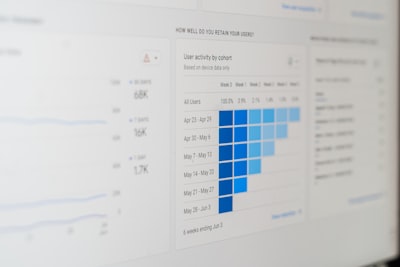
Information accumulated in the intranet has no value if it is not converted into actionable knowledge. Here another dimension appears: data analysis. Operational data generated by platform usage, combined with business indicators, makes it possible to build dashboards that show trends, bottlenecks and improvement opportunities. Using Business Intelligence and tools such as Power BI helps area managers understand what is happening in real time and why.
A recommended approach is to define key performance indicators before implementing the solution. Those indicators can refer to response times, process costs, employee satisfaction or information accuracy. With a defined baseline, the intranet with AI becomes a continuous improvement tool: every change in workflows can be measured and adjusted with evidence.
The next step is automated anomaly detection. Machine learning models can analyze time series and automatically alert when a process deviates from expected behavior. For example, if IT incident resolution takes unusually long, the system detects it and notifies the responsible person before it becomes a critical problem. These early alerts reduce the impact of risks and improve reaction capacity.
Optimization recommendations are another valuable capability. An AI system can suggest changes in resource allocation, project priorities or approval flows based on observed patterns. Combining historical data and predictions makes it possible to anticipate demand and adjust planning. The longer the platform has been in production, the more accurate its recommendations become, because it learns from previous results.
The closed-loop concept is fundamental. Results from actions taken after recommendations must flow back into the system. The intranet records which decision was made, what effect it had and what can be improved next time. In this way, the platform is not a passive observer but an active participant in operational improvement. The combination of data, AI and processes creates a virtuous cycle of organizational learning.
We cannot talk about data and AI without mentioning cybersecurity. An intranet that centralizes sensitive information must include protection mechanisms at every layer. Role-based access and authentication with corporate identity are essential, but so are secure API management, encryption of data in transit and at rest, and complete auditing of user and AI agent actions. Governance must also cover regulatory compliance, such as GDPR, and employees' right to know how their data is used.
In environments where AI models need to interact with internal systems or sensitive data, it is advisable to establish secure connections through AWS/Azure cloud. Private networks and VPN tunnels allow artificial intelligence services to access corporate data without exposing it to the Internet. Cloud platforms also provide elasticity: they can scale computing resources when intranet usage grows and adjust them when demand decreases. Q2BSTUDIO helps companies define that hybrid architecture, combining the best of public cloud with each company's control and privacy requirements.
People remain central. AI does not replace human judgment; it amplifies it. A management committee can use intranet dashboards to review indicators, dive into data and make better-informed decisions. Operational teams can delegate repetitive tasks to AI agents and focus on activities that require judgment, creativity or customer relationships. The key is to design the solution for adoption: if the system is difficult to use or does not respond to real needs, the project will fail.
Q2BSTUDIO recommends a phased approach. First, a diagnosis of current processes and available data sources. Next, a minimum viable product that demonstrates value in a specific use case. Then, progressive integration with other systems and expansion to new departments. Finally, continuous optimization based on the indicators obtained. This methodology reduces risk, facilitates internal learning and produces visible results in weeks, not years.
The benefits of a corporate intranet with AI appear at different levels. On the operational side, search times decrease and administrative tasks are automated. On the management side, visibility into organizational performance improves. On the cultural side, data-driven management and transparency are encouraged. The sum of these effects has a direct financial impact, although many of its advantages are difficult to quantify before implementation.
Choosing the right technology partner is critical. Buying an AI tool is not enough; it takes a company that understands software, data and processes. Q2BSTUDIO combines applied AI development with experience in integration and cybersecurity. Its approach allows organizations not only to have a modern intranet, but also to evolve toward a smarter, more automated and more competitive business model.
Digital transformation is not about accumulating technology. It is about using technology so the organization makes better decisions, with better data and in less time. A corporate intranet with AI is one of the most effective levers to achieve that. Companies that understand this opportunity and act with vision will have a sustainable advantage over those that simply watch the change happen.