Hello World is a weekly newsletter delivered every Saturday morning that delves into our original research and the questions we ask great thinkers in the industry.
Hello again, readers! My name is Jon Keegan, and I am an investigative data journalist at The Markup. You may have read my reports about the companies that collect your personal information while you engage in virtually any activity in your life, whether driving your car, waiting in line to vote, shopping at the supermarket, or simply checking where your children are.
When I investigate the companies that collect, analyze, and monetize your information, I pay close attention to the marketing language they use to promote their databases to other companies within this vast ecosystem. All these companies are eager to boast about how many billions of user data points they own, what categories of information they collect, and how long they have been doing so, but right after these claims, they always add a reassuring line about how they rigorously respect the privacy of the people whose data they buy, sell, and exchange.
Recently, I have started to see a term that recurs alongside these privacy promises: 'data clean room.' Let's take a closer look at what this means.
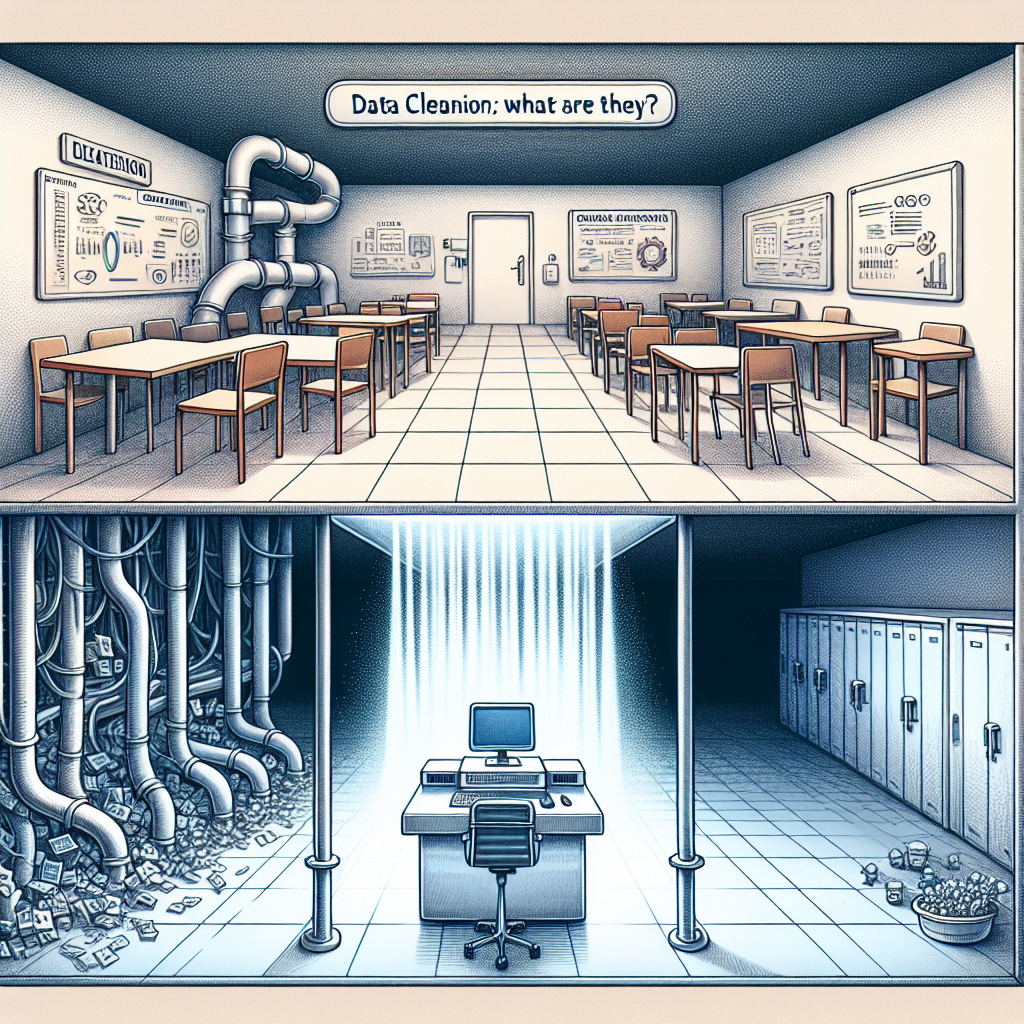
Data clean rooms are not physical facilities, but a particular data exchange scheme between servers. Their goal is to ensure that customers' personal data does not leak from the company that has a direct relationship with the consumer to third parties interested in accessing that information to gain insights, generate audience segments for advertising, or perform data enrichment, without having direct access to the personal information.
Although these technologies have existed for years, they have recently gained popularity due to significant changes in the industry. Companies like Apple and Google have restricted third-party access to location data, browsing habits, and app usage. Likewise, multiple privacy regulations in different countries have forced companies to rethink their data collection and processing strategies.
While data clean rooms represent a solution to improve privacy, they are not an absolute guarantee. Each implementation varies, and its effectiveness depends on how security measures and regulatory compliance are applied. Additionally, the cost and infrastructure required to operate them pose significant challenges for the companies that adopt them.
At Q2BSTUDIO, we understand the importance of privacy and security in data management. As a company specialized in development and technology services, we help our clients implement innovative solutions that allow them to collect and use data ethically and in compliance with current regulations. We focus on developing technologies that protect user information, ensuring transparency and trust.
In a world where data is fundamental for business decision-making, it is crucial to adopt tools that respect consumer privacy without compromising the effectiveness of digital strategies. The implementation of data clean rooms is just one part of a comprehensive approach to responsible information management.
Thank you for reading.
Jon Keegan
Investigative Data Journalist