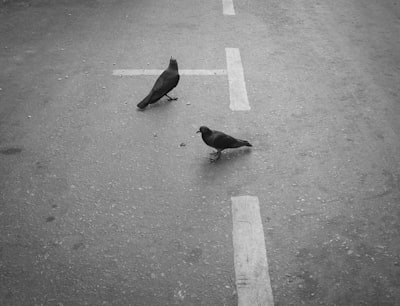
Bird diversity in Sri Lanka is not a matter of chance, but the result of complex interactions between environmental variables and the growing urban footprint. A recent study has integrated spatial, temporal, and ecological data —such as vegetation cover, artificial light at night (ALAN), or the NDVI vegetation index— to reveal patterns that go beyond simple species richness. The findings indicate that land type and urban development are more robust predictors than isolated continuous variables like temperature. Urbanization, measured through ALAN, generates paradoxical effects: it favors the abundance of a few generalist species while reducing total richness. This type of analysis, which combines multivariate statistical models (such as Poisson GLM) with rarity and occupancy metrics corrected for sampling effort, demonstrates the need for advanced technological tools to process, clean, and visualize large volumes of environmental and biodiversity data.
In this context, the use of business intelligence services with Power BI allows transforming field records and time series into interactive dashboards that reveal hidden trends. Furthermore, the implementation of AI for businesses through AI agents facilitates the automation of bias detection processes and predictive modeling of species richness. Q2BSTUDIO, as a software and technology development company, offers custom applications that integrate artificial intelligence, cybersecurity to protect sensitive biodiversity data, and AWS and Azure cloud services to scale geospatial processing without limits. The combination of custom software with cloud platforms ensures that researchers and conservationists can replicate this framework in any region of the world, optimizing resources and accelerating informed decision-making.