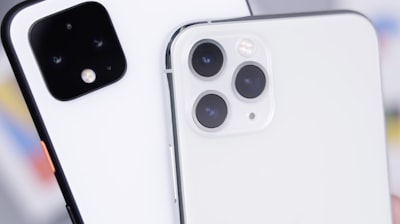
Google has surprised the market by anticipating a price increase for its upcoming Pixel 11 series, even before the official unveiling. Although the exact launch date has not been revealed yet, the company has informed partners and distributors that the new devices will cost more than their predecessors. This decision, driven by rising component costs and global inflation, will directly impact consumers who are looking to upgrade their phones this year. The move reflects a broader trend in the mobile industry, where manufacturers are forced to adjust prices to maintain margins amid semiconductor shortages and investments in emerging technologies like integrated artificial intelligence. For users, this increase means that planning to buy a Pixel 11 will require a higher budget, especially if they want to take advantage of new computational photography and smart assistant capabilities.
From a technical perspective, the price hike is not only due to inflation but also to the cost of developing custom components and integrating advanced features. Google has been investing in its own Tensor chip, which already uses AI models for image processing and performance improvements. In the Pixel 11 series, a significant evolution of this processor is expected, with dedicated modules for machine learning tasks and AI agents capable of executing complex commands without relying on the cloud. However, the price increase may slow mass adoption, pushing consumers to look for alternatives or delay their upgrade. This scenario opens opportunities for technology companies that offer custom software solutions, such as custom software development, which can optimize the use of existing devices without the need for the latest hardware.
The impact of this price rise goes beyond individual consumers. Companies that rely on mobile device fleets for operations, such as retail, logistics, or customer service, will be forced to review their IT budgets. Instead of renewing all terminals every year, many organizations will opt to extend the lifespan of their current equipment through virtualization, perimeter security, and process automation. This is where companies like Q2BSTUDIO, specialized in software development and technology, can make a difference. For example, implementing cloud AWS/Azure solutions allows centralizing application and data management, reducing dependence on local hardware and improving scalability. Additionally, business intelligence platforms like Power BI help monitor device performance and make informed decisions about when a mobile fleet truly needs an upgrade.
Cybersecurity also plays a crucial role in this context. With higher prices, users and businesses will tend to keep their phones longer, increasing exposure to vulnerabilities if regular security patches are not applied. Google has improved security updates on its Pixels, but the adoption rate of new versions remains a challenge. Organizations can complement these measures with cybersecurity and pentesting services offered by companies like Q2BSTUDIO, which assess system resilience against attacks and ensure sensitive data protection. Furthermore, integrating AI agents for real-time threat detection is becoming a recommended practice, especially when corporate information is handled from mobile devices.
In parallel, generative artificial intelligence and language model-based assistants are transforming how we interact with smartphones. Google has bet heavily on AI for its Pixels, and the Pixel 11 will be no exception. It is rumored to include an improved assistant capable of summarizing emails, scheduling appointments, or even generating creative content. However, these capabilities demand more powerful and therefore more expensive hardware. For businesses, the key is not to rely solely on the device's AI but to combine it with cloud systems that run more complex models. Q2BSTUDIO, for example, develops artificial intelligence solutions that integrate with platforms like AWS or Azure, allowing even older devices to access advanced AI functionalities without needing a hardware upgrade.
The Pixel 11 price hike also highlights the importance of data analytics to justify technology investments. Many businesses still do not use Business Intelligence tools to measure the return on their mobile fleets. Implementing Power BI and other BI solutions enables visualizing metrics such as productivity, maintenance costs, and incident rates, facilitating decisions on when to upgrade or migrate to new platforms. Combined with process automation strategies, operational burden can be significantly reduced, extending the lifecycle of devices.
In an environment where high-end smartphone prices keep rising, manufacturers and developers must collaborate to offer alternatives that do not sacrifice performance or security. Google, by confirming this increase, sends a signal to the market: innovation comes at a cost, but so does inaction. Companies that embrace flexible architectures with custom applications, hybrid cloud, and AI agents will be better prepared to adapt to these changes without compromising their competitiveness. Q2BSTUDIO, with its focus on customized technology solutions, positions itself as a strategic ally to navigate this new reality.