In today's digital ecosystem, small and medium-sized businesses face a recurring dilemma: traditional enterprise software solutions are designed for large corporations with generous budgets and dedicated IT teams. These monolithic systems —ERP, CRM, management suites— tend to be rigid, costly to implement, and difficult to adapt to specific processes. For an SME, paying for unused modules or relying on expensive consultancies for minor customizations is simply unsustainable. That is why more businesses are seeking a different approach: custom software that fits their size, workflows, and budget without sacrificing technological innovation.
The fundamental difference lies in the design philosophy. While traditional software imposes a predefined structure —the user must adapt to the system— modern platforms for SMEs reverse the relationship: the system adapts to the user. This is not just about interface but architecture. Traditional applications often have rigidly coded processes; any change requires weeks of development and testing. Modern solutions, in contrast, offer configurable workflows where SME managers can adjust business rules, approvals, and process paths without writing a single line of code. This flexibility is critical when the business evolves rapidly.
Another key differentiator is data intelligence. Legacy suites generate static reports that often arrive late or are irrelevant. New tools incorporate real-time analytics and AI‑based recommendations. For instance, an SME CRM system can suggest the best time to contact a customer, predict inventory turnover, or identify unusual purchasing patterns. This foresight, combined with integration with cloud AWS or Azure, allows data to flow without silos and makes decision‑making immediate rather than reactive.
Integration is another breaking point. Traditional solutions often operate in silos: sales uses one system, logistics another, and accounting a third, with little communication between them. Software for SMEs is designed to break those silos through native connectors and open APIs. A modern system can automatically sync orders, invoices, stock levels, and customer data in real time, eliminating double data entry and human errors. This not only saves time but provides a unified view of the business.
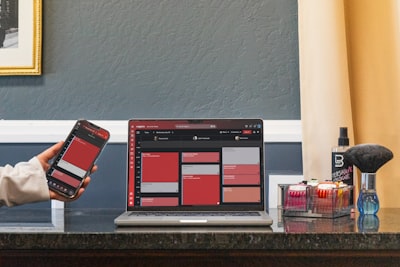
User experience also marks a big difference. Classic business interfaces are often complex, with hierarchical menus and lengthy forms that require intensive training. SME software bets on user‑centric design, intuitive dashboards, simplified navigation, and mobile accessibility. This accelerates team adoption, reduces resistance to change, and allows non‑technical people to manage advanced tasks such as creating reports with Power BI or configuring automation rules.
Automation is precisely one of the great benefits. SMEs usually have small teams that spend too much time on repetitive tasks: sending invoices, reconciling payments, updating spreadsheets. Adapted software can automate these processes via conditional flows or AI agents. These intelligent agents —small autonomous programs that execute actions based on rules— can, for example, categorize emails, assign tasks, send reminders, or even answer basic customer queries. Implementing such logic with traditional tools would be prohibitive; with modern platforms it is a simple configuration.
Cybersecurity also needs to be approached differently. SMEs often believe they are not attractive targets for cybercriminals, but in reality over 40% of attacks target small businesses. Traditional software may offer basic security, but modern solutions integrate adapted protection layers: multi‑factor authentication, end‑to‑end encryption, automated cloud backups, and optionally specialized services like pentesting. Choosing a technology partner that considers cybersecurity from the design stage —not as an add‑on— is essential for business continuity.
Another often overlooked aspect is the delivery and update model. Traditional software is distributed through perpetual licenses or annual subscriptions, and major upgrades involve full migration projects that can halt operations. Modern SME solutions rely on continuous delivery cycles: improvements are deployed incrementally, without forced downtime or surprises. The user always has the latest version, with new features appearing gradually and activated according to business needs. This drastically reduces total cost of ownership and technological friction.
In this context, the role of a specialized technology partner becomes key. It is not just about buying a product, but designing a solution that fits the culture, processes, and growth stage of the SME. Q2BSTUDIO, as a software development and technology company, understands these needs. It offers an approach that combines custom development, integration with cloud platforms like AWS and Azure, implementation of artificial intelligence and autonomous agents, as well as business intelligence services with Power BI. All with an agile collaboration model, without contractual rigidities, and with a cost adjusted to the actual project size.
The difference between software for SMEs and traditional solutions is not merely technical but strategic. While the classic approach aims to standardize and control, the new paradigm seeks to empower and adapt. SMEs need tools that respect their uniqueness, automate without dehumanizing, and provide data without overwhelming. In a market where speed of reaction and customization are competitive advantages, betting on a flexible technological ecosystem —based on cloud, artificial intelligence, and automation— is no longer an option but a necessity. And to achieve this, having an ally who designs, builds, and accompanies the process is the first step toward real digital transformation.