The corporate intranet has stopped being a simple document repository and has become the operational core of modern companies. In 2026, Spanish organizations are looking for more than an internal portal: they need a digital workspace that prioritizes mobile access, integrates artificial intelligence, and delivers measurable business outcomes. This article provides a practical and original guide on how to approach a mobile first intranet in Spain, with a technical, strategic, and security perspective.
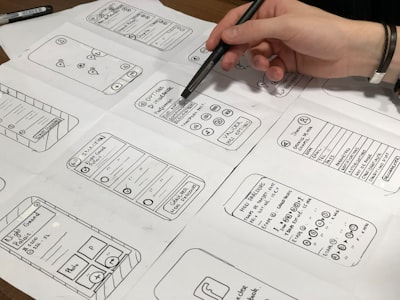
Mobile first is not a trend. In an environment where most employees consult corporate information from personal devices, an intranet designed first for small screens ensures that the experience is not just a rescaled desktop version. It means rethinking information architecture, approval flows, notifications, and overall usability. A well-executed mobile first intranet reduces friction and increases real adoption by teams.
To be truly useful in 2026, an intranet must combine several elements: a solid foundation of custom software, artificial intelligence capabilities, integration with existing business systems, and a well-defined cybersecurity layer. It is not about installing a generic tool, but about building a solution that adapts to each company's real workflows.
Artificial intelligence has changed the rules of the game. Modern intranets include semantic search engines, virtual assistants, automatic document summaries, and agents that automate repetitive tasks. IT teams and innovation leaders must consider which internal processes can be accelerated with generative AI, how permissions will be managed, and which models will be used. The answer is not always large public models; many companies choose private LLM deployments or use Azure AI Foundry to keep control over data.
Integration is another critical pillar. An isolated intranet delivers no value. It must connect with ERPs such as SAP or Odoo, CRMs such as Salesforce or HubSpot, collaboration platforms such as Microsoft Teams and SharePoint, and active directories to manage identities and access. This integration layer is solved through APIs, middleware, and automation tools like n8n, allowing the intranet to act as a true command center.
Security cannot be an afterthought. Accessing confidential information from mobile devices demands rigorous measures: multi-factor authentication, role-based access control, encryption in transit and at rest, and auditing of all operations. In regulated environments or with sensitive data, Spanish companies are using secure VPN tunnels and Azure private endpoints to ensure that AI model interactions with on-premises systems happen without exposing information. The GDPR framework sets the reference.
Q2BSTUDIO, a software and technology development company with presence in Spain, approaches these projects with a pragmatic methodology. The process begins with a discovery phase in which current workflows are mapped, pain points are identified, and baseline KPIs are defined. A functional MVP is then delivered within 4 to 8 weeks, allowing hypotheses to be validated and the product adjusted quickly before scaling to the rest of the organization.
One of the most common questions from executives is whether the intranet forces them to replace current systems. The answer is no: the right strategy is to extend through modern integrations. The intranet becomes a layer over existing systems, connecting data and processes without creating additional silos. This reduces risk and accelerates return on investment.
Return on investment is measured in concrete terms. Companies that execute a well-designed intranet observe reductions between 20% and 45% in internal process cycle times, lower operational costs in specific flows, and less administrative burden. In addition, leadership visibility improves through unified dashboards that show activity, productivity, and compliance metrics.
Q2BSTUDIO's experience in artificial intelligence and custom software projects has shown that a differentiating factor is client autonomy. Therefore, in addition to building the intranet, a custom web portal is delivered so business users can manage configurations, monitor AI usage, and track costs without depending on the technical team for every change. This autonomy is key for the solution to evolve with the company.
In parallel, cloud services on AWS or Azure provide the scalability needed to support a corporate intranet with AI. Modern architectures separate components into microservices, use containers, and employ managed databases to simplify maintenance. The choice between AWS and Azure depends on existing infrastructure and the type of AI workloads to be accessed.
Another relevant aspect is measuring adoption. An intranet can be technically excellent and fail if employees do not use it. Best practices include training sessions, internal ambassadors per department, feedback cycles, and iterative improvements based on usage data. Mobile first design contributes to adoption because employees can access the intranet from anywhere, at any time, without opening a computer.
Small and mid-size Spanish companies are especially well positioned to move forward in this area. Their lower organizational complexity allows quick decisions and visible impact in just a few months. A mobile first intranet project in an SME can start with an initial investment ranging from 5,000 to 60,000 euros depending on scope, and return is usually achieved within 6 to 12 months.
The sustainability of the system also depends on documentation and knowledge transfer. The client must receive the source code, technical documentation, and a maintenance guide. Software sovereignty is a right that companies should always demand. With code ownership, the organization is not indefinitely tied to a vendor and can adapt the solution with total freedom.
Regarding cybersecurity, it is important to understand that it is not a destination but a continuous process. Corporate intranets store privileged information and are therefore a priority target for malicious actors. Conducting periodic audits, penetration tests, and security architecture reviews should be part of normal operations. Regulatory compliance, besides being mandatory, is a competitive advantage.
On the other hand, responsible use of AI in the intranet requires defining clear internal policies. What data can be processed by a language model? What human controls apply in decisions with relevant impact? How is the behavior of an agent that automates a process audited? These questions must be answered before deploying the technology, and must be documented in the solution design.
The combination of BI and Power BI within the intranet allows real-time visualization of business indicators. Instead of looking for scattered reports, managers can consult sales, productivity, quality, and satisfaction metrics in a single dashboard. This global view facilitates decision-making and turns the intranet into an executive management tool.
In short, the mobile first intranet in Spain in 2026 cannot be understood as a static IT project, but as a strategic investment that combines software development, artificial intelligence, cloud integration, security, and data analytics. Companies that get this approach right achieve more connected teams, more agile processes, and a sustainable competitive advantage.
For organizations that want to move in this direction, Q2BSTUDIO offers a free 30-minute discovery session to analyze current workflows, business objectives, and a realistic roadmap. It is not an obligation, but an opportunity to understand what the company really needs before investing in technology.