The corporate intranet has stopped being a simple document repository. This practical guide explains how to turn it into a smart onboarding platform in production in Barcelona in 2026. For companies that want to digitalize talent onboarding, the combination of processes, data and AI models reduces friction, measures outcomes and gives each employee a personalized experience from day one.
Q2BSTUDIO tackles this challenge from a software development perspective, not just tool installation. It designs custom intranets where hiring, training, resource assignment and follow-up processes become automated workflows. The goal is to reduce administrative burden, provide visibility to middle management and ensure a new employee has everything needed in the first week to work safely and independently.
A solid architecture for this kind of platform relies on custom applications, well-documented APIs and AWS/Azure cloud services. The infrastructure must scale during hiring peaks and protect access to confidential data. Q2BSTUDIO uses modern integration patterns to connect the intranet with Active Directory, HR or ERP, avoiding replacement of systems that already work. Custom software development makes it possible to adapt each screen and workflow to the real processes of the company, essential when onboarding involves people from different departments.
Taking an AI-powered intranet to production is not just publishing a website. Operational maturity requires reviewing architecture, dependencies, database, authentication, auditing, continuous deployment and backups. A company that has invested in good design must ensure the platform handles real workloads, supports updates without interruptions and can roll back to a previous version if needed.
Cybersecurity is a key pillar in any intranet that handles employee data, internal documents or business decisions. Multi-factor authentication, role-based access control, encryption in transit and at rest, and activity auditing are essential requirements. In environments where AI needs to access internal systems, Q2BSTUDIO recommends secure connections through VPN and private networks in Azure or AWS to avoid exposing sensitive information.
AI integrates into the intranet in several ways: drafting responses, summarizing documents, classifying files or recommending training. AI agents can free HR from repetitive tasks such as answering frequent questions, creating temporary credentials or scheduling initial meetings. Human oversight remains necessary to validate decisions, approve unusual permissions or resolve complex cases; therefore checkpoints with human supervision are designed. Enterprise AI solutions from Q2BSTUDIO are built on secure models and private data, avoiding reliance on insecure external services.
When employees need to consult internal policies, a language model alone is not enough. Retrieval augmented generation architecture enables the system to search only authorized documents and build answers citing the original source. This reduces hallucination risk, keeps content updated without retraining models and guarantees that AI uses only information approved by the company.
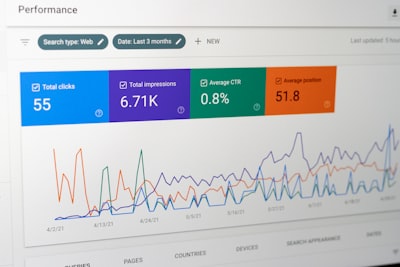
For leadership to see onboarding results, a real-time dashboard is useful. With BI/Power BI metrics such as time to full productivity, task completion, satisfaction of new employees and most common issues are displayed. Information reaches HR, operations and technology managers with different levels of detail depending on role, facilitating data-driven decisions.
Smart onboarding cannot live in isolation. The intranet often needs to talk to SAP or Odoo for hires, Salesforce or HubSpot for customers, Microsoft Teams for communication and Active Directory for permissions. A good architecture avoids duplication, maintains a single source of truth and synchronizes changes in real time. Q2BSTUDIO designs these integrations with APIs and middleware that respect the security of each system.
Data governance is another critical point. The intranet must define who creates content, who approves it, how long it is kept and which information feeds AI models. Without this layer, smart onboarding can generate incorrect answers or unnecessary access. Q2BSTUDIO configures permissions and approval workflows to maintain traceability and regulatory compliance.
The working methodology must be pragmatic. Start with a short process analysis, identify the biggest pain point in employee onboarding, build a useful pilot in a few weeks and then expand in phases. This approach reduces risk and allows adjustment before full implementation. Technical documentation and knowledge transfer are part of the final deliverable.
Adoption by people is key to project success. Installing AI modules is not enough; HR staff and employees need to understand how it works, what data feeds the processes and what benefits they gain. Q2BSTUDIO builds intuitive administration portals where clients manage their own workflows, review activity logs and adjust AI responses without depending on engineers for every change.
Return on investment is measured by looking at hours saved, avoided errors and speed of adaptation. Companies that automate onboarding reduce HR administrative burden, improve new hire experience and accelerate real business contribution. A project like this requires an initial investment, but the cost of keeping manual processes also grows every year.
Barcelona combines tech talent, cloud deployment and an open business environment. Having a local partner that understands the ecosystem, European regulations and the needs of companies with international operations facilitates implementation. Q2BSTUDIO combines software development capacity with AI, cloud and cybersecurity expertise, and can accompany the project from idea to continuous maintenance.
Transformation does not end with launch. The platform requires observability, log analysis, performance review and a product roadmap. The onboarding experience changes as the organization grows, so metrics should be reviewed regularly and new features prioritized according to impact. Continuous improvement prevents the intranet from becoming obsolete or AI from losing accuracy.
A smart onboarding intranet is a strategic investment for any company that is growing and needs to integrate talent quickly and well. The combination of custom applications, artificial intelligence, analytics and security lets the HR department focus on higher-value tasks. The key is to take the solution to production with discipline, measuring every process and choosing technology partners with both business and technical vision.