Security and architecture audit for an intranet with automation has become one of the smartest decisions a company in Valladolid can make. When an organization decides to digitize internal processes, create approval flows, connect teams and centralize knowledge, its intranet stops being a simple document repository and becomes the operational brain of the business. That level of change requires an in-depth analysis, because the speed provided by automation should not be paid for with technical vulnerabilities or a fragile architecture.
Q2BSTUDIO, a custom software development and technology company, approaches this audit as a technical and strategic process. It does not stop at scanning a URL or running isolated tests; it evaluates the full cycle: code quality, database schema, permission policies, deployment, observability, AI governance, data protection and the real cost of each workflow. This comprehensive approach allows IT leaders, executive management and middle managers to understand not only what works today, but what may fail tomorrow.
The starting point is architecture. A modern intranet usually consists of authentication modules, search, document management, notifications and automation engines. If these components are not properly sized, bottlenecks can appear, failures in concurrent environments, or difficulties scaling when new offices or departments are connected. The audit reviews how responsibilities are distributed between frontend, backend, services and process queues, and validates whether the chosen structure supports medium-term evolution.
Next is the data layer. Intranets with automation depend on relational databases, and performance problems are usually related to slow SQL queries, poorly configured indexes or migrations that do not follow a safe order. A detailed analysis of schemas, normalization, referential integrity and response times prevents a corporate application from becoming slow as data volume grows. Backups and retention policy are also reviewed, two elements that many companies neglect until an incident occurs.
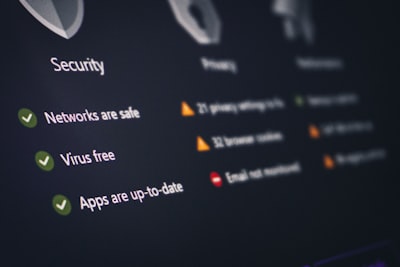
Security cannot be understood without reviewing authentication and authorization. Access to the intranet must be protected with robust mechanisms, well-defined roles and compatibility with directory services such as Entra ID or Active Directory. The audit checks whether permissions are correct at user and group level, whether sensitive data is unnecessarily exposed, and whether access logs allow full traceability. For companies in Valladolid that work with industrial, legal or human resources data, this part is critical. A good practice is to combine this review with a cybersecurity and pentesting service to validate the system's resistance against real attacks.
When the intranet incorporates artificial intelligence, the audit must include a specific block. Generative AI based on RAG, AI agents and virtual assistants add a layer of complexity that goes beyond traditional software. It is necessary to analyze possible prompt instruction leaks, verify that models only access documents with guaranteed read permissions, and establish traceability mechanisms for each response. Token costs must also be measured, because a poorly designed conversation can increase the cloud bill without delivering value.
Moreover, AI agents require specific governance: what processes they can execute, under what conditions, what human supervision exists and how their decisions are recorded. In an intranet with automation, a misconfigured agent could approve an improper request or send information to the wrong recipient. The audit reviews action limits, verification checkpoints and the quality of the data that feeds automatic reasoning.
Deployment and operations are other areas that companies often underestimate. Secrets stored in repositories, exposed environment variables, CI/CD pipelines without validation or missing monitoring can turn a solid project into a nightmare. The audit analyses development, pre-production and production environments, backup policies and disaster recovery strategy. All this work is summarized in a report with severity levels, quick wins and a remediation roadmap.
The review must also consider the code lifecycle. In an intranet with automation, internal developments and third-party integrations coexist and evolve. Code quality analysis, dependency review and version control help prevent vulnerabilities that silently enter the system. The audit evaluates whether the team uses secure development practices, whether libraries are up to date and whether repository configuration complies with the organization's access policies.
Data protection is both a legal and technical factor. The General Data Protection Regulation and Spanish legislation require companies to maintain confidentiality, integrity and availability of personal information. An intranet that automates human resources, customer or supplier flows must know exactly what data is processed, who can access it and how long it is retained. The audit analyses data flows, activity logs and applied technical measures, and proposes adjustments when there is a risk of leakage or non-compliance.
Another relevant aspect is observability and cost visibility. When automating processes, it is easy to lose track of which flows consume more resources, which integrations are used and how much each department costs. With a proper implementation of logs, metrics and dashboards, management can make data-driven decisions. In this sense, having Business Intelligence tools such as Power BI connects the intranet with key indicators and helps control the evolution of automations. Companies already using AWS or Azure cloud also need to review the billing associated with each environment and avoid unnecessary expenses in instances, storage or API calls.
Q2BSTUDIO understands that an audit is not just a document: it is the beginning of continuous improvement. That is why it combines technical analysis with a strategic business vision, identifying the actions that generate the most impact with the least effort. The company recommends prioritizing findings based on risk, investment and dependency between systems, and proposing a phased implementation plan. For companies without an in-house architecture and security team, this support avoids costly mistakes and accelerates results.
The market reality in Valladolid shows that many organizations already have legacy intranets, spreadsheets and manual processes. The opportunity is not to replace everything, but to extend what exists with custom applications that integrate with ERP, CRM, SharePoint, Teams and other tools. A prior audit reveals integration points, bottlenecks and technical debt that must be resolved before deploying advanced automation. In this way, investment goes to the right place.
Beyond technical findings, a well-executed audit generates return. By detecting database failures, overly broad permissions or uncontrolled processes, the company avoids incidents that could cost thousands of euros in the future. It also provides useful information to negotiate with suppliers, justify investments and prioritize future developments. Management can use the report as a communication tool with the board, explaining with technical and financial criteria why it is necessary to invest in security and architecture.
In short, if your company has an intranet in operation or is about to launch a new automated version, the audit should be on the plan. No matter the sector or size: complexity always appears behind the flows that connect people, systems and data. Having a team that knows custom development, cloud infrastructure and artificial intelligence makes the difference. Q2BSTUDIO combines these capabilities and proposes a clear process, with measurable deliverables and results orientation.