The best intranet with workflow automation in Valencia in 2026 is a strategic decision that goes far beyond software. A corporate intranet designed to automate processes connects people, data and business tools in a single operating environment. For a company with offices, hybrid teams and processes supported by different systems, it stops being a digital noticeboard and becomes the nervous system of the organization. The challenge is not just finding an attractive product, but a partner that understands real operations and can turn them into a stable, secure and scalable platform.
For years, most intranets have been limited to publishing news, storing documents and showing the organization chart. That function still matters, but it is no longer enough. In a 2026 environment, companies in Valencia need their intranet to launch a hiring cycle, approve a purchase, coordinate an audit or solve a technical incident without dragging email threads and spreadsheets. Workflow automation is now the difference between an intranet that acts as a showroom and one that acts as a productivity factory.
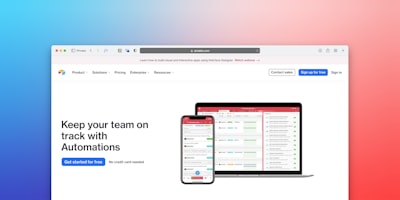
When we talk about automated workflows, we mean clear rules that connect an event with an action. For example, the arrival of an invoice can trigger validation, temporary accounting, a notification to the manager and an update of the budget. A leave request can generate a balance check, manager approval and a calendar update. IT requests can be classified automatically, assigned to the right team, and escalated if they are not resolved on time. Well-implemented process automation makes these chains visual, auditable and easy to adjust.
None of these rules work, however, if the intranet lives in isolation. ERPs, CRMs, HR platforms, warehouse systems, billing tools and technical databases contain the information that workflows need. A modern intranet must be an orchestrator, not an island. This is why it makes sense to work with companies that master custom software and application development: integration is not solved by generic connectors, but by specific designs that respect the logic of each business. The value is not in the initial interface, but in the ability to link data and events without friction.
From a technical point of view, a modular architecture helps each workflow to be developed, tested and improved independently. APIs allow the intranet to talk securely to other internal or external applications. The same architecture makes it easier to add new modules as the company grows, open channels with suppliers or prepare the integration of AI agents in the medium term. The cleaner the integration layer, the faster the system can adapt to legal, organizational or market changes.
Infrastructure choice is another critical point. Many organizations find in the cloud the availability and elasticity they need, especially when they operate with remote work, variable schedules or distributed teams. A deployment can run on AWS or Azure, or combine both environments according to data criticality and regulatory requirements. The chosen partner should be able to recommend the most suitable model: public, private, hybrid or multi-cloud. Experience in cloud AWS/Azure ensures not only a correct deployment, but also predictable costs and safer operations.
Artificial intelligence adds another layer of value. Companies no longer settle for keyword search; they want the intranet to understand the context of a query and return a synthetic answer, with references and without forcing the employee to open ten documents. AI can extract knowledge from manuals, policies and meeting notes, summarize it, translate it or turn it into an actionable response. In addition, AI agents can act on workflows: fill forms, validate fields, predict delays or propose approvals. These agents must operate under clear rules, concrete permissions and human supervision to avoid judgment errors. Q2BSTUDIO works with enterprise artificial intelligence applied to real processes, focusing on use cases with ROI rather than isolated experiments.
Security cannot be left until the end of the project. An automated intranet accumulates highly sensitive information and becomes an attractive target for internal and external attacks. Protection requires role-based access control, data encryption, strong authentication, incident management, backups and continuous monitoring. Cybersecurity also includes a clean separation between development, test and production environments, as well as periodic reviews of permissions. If the intranet connects to on-premises systems or cloud services, data traffic must be encrypted and authenticated. A failure in this area can destroy all the trust created by automation.
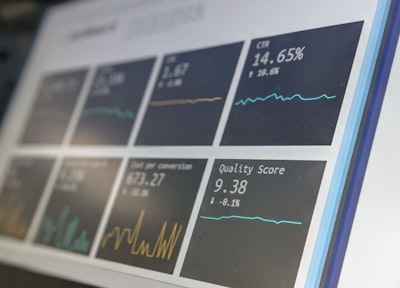
Automation gives the company the ability to measure processes and detect inefficiencies quickly. Dashboards based on Business Intelligence and Power BI can show the volume of requests, average resolution time, workload by department and the percentage of automated processes. That information is essential for prioritizing improvements and justifying the investment to management. An intranet without indicators is an opaque box; an intranet with Business Intelligence turns operations into a continuously optimizable model.
In Valencia, the technology ecosystem is dynamic, but not all providers offer the same degree of autonomy to the client. Q2BSTUDIO stands out for combining the profile of a custom software and technology development company with the ability to lead complex intranet and automation projects. Its team brings experience in custom applications, custom software, API integrations, cloud deployments, cybersecurity and business intelligence. In addition, it delivers all source code, documentation and operations manuals at the end of the project. That transparency allows the client to avoid an unnecessary dependency on a single vendor.
Q2BSTUDIO's work process begins with an essential diagnosis: which processes have the most impact on the business, which systems are involved, where the bottlenecks are, and which indicators will measure success. With that information, it defines a realistic starting point, usually a minimum viable product that demonstrates results in the first weeks. From there, the next phases expand the scope and depth of automation. This methodology reduces risk and prevents the project from becoming an endless development effort with a final delivery that no longer responds to current needs.
When an intranet with workflow automation is properly implemented, benefits appear naturally. Teams stop wasting time on administrative tasks, which translates into a better employee experience and more capacity for higher-value work. Management also gains a more accurate view of what is happening in each area. Information transmission errors decrease because rules are consistent and decisions are recorded. And IT departments move from fighting fires to managing a stable platform, with predictable maintenance and incremental improvements.
Technology implementation only works if people adopt it. The intranet design must be simple, task-oriented and easy to learn. Automation should free up time, not impose extra management work. It is therefore important to invest in training, write usage guides and appoint internal ambassadors who help the rest of the team. Technology is the enabler, but cultural change is what makes the transformation sustainable.
To conclude, choosing the best intranet with workflow automation in Valencia in 2026 should be part of a broader digitalization strategy. It is not enough to have an internal communication tool: you need a platform that automates processes, integrates systems, protects data and provides intelligence for decision making. A partner like Q2BSTUDIO can support that journey with a senior team, a clear methodology and a real commitment to client results. The next step is to discuss each company's specific situation and define a realistic, measurable plan aligned with the budget.