The question of whether an intranet with workflow automation reduces waste seems simple, but the answer requires analyzing what waste really means in an organization. We are not only talking about surplus materials or idle stock; we are talking about minutes lost in administrative tasks, errors traveling from one department to another, duplicated information, waiting times that block decisions, and talent assigned to work a machine could solve. Operational waste is silent: it does not appear on the balance sheet until someone decides to measure it.
A traditional intranet was for years a corporate library: documents, news and directories. With workflow automation, that same platform becomes a system that executes processes. When a purchase request is validated automatically, when a report reaches the right person without forwards, and when an incident is classified before being assigned, the organization is no longer paying for invisible work. The difference lies in designing process automation software that connects people, data and systems without friction.
Time waste is the easiest to detect. Every manual task repeated each week, every correction caused by badly entered data, every approval waiting for a manager who is on vacation accumulates into hours that generate no value. An intranet with automated workflows reduces those hours because it standardizes the way each task starts and finishes. The company no longer depends on employees' memory to know what comes next; the system itself indicates it, executes it or escalates it to the right person.
There is also information waste. Data stored in private spreadsheets, multiple versions of the same document and emails containing important decisions prevent the organization from acting quickly. The intranet with workflow automation centralizes information and, at the same time, turns it into an actionable resource. If a manager needs a piece of data to decide, the information appears on the dashboard, in the report, in the task status.
AI agents amplify this capability. An assistant integrated into the intranet can read a request in natural language, extract relevant fields, validate them against company policies and send the task to the corresponding workflow. It can also draft response proposals, summarize a long conversation thread or alert about a data anomaly before it becomes a problem. AI does not replace human judgment; it frees it from repetitive operations.
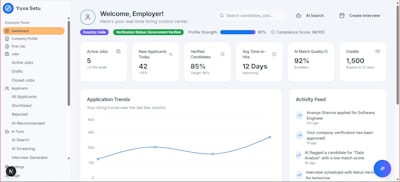
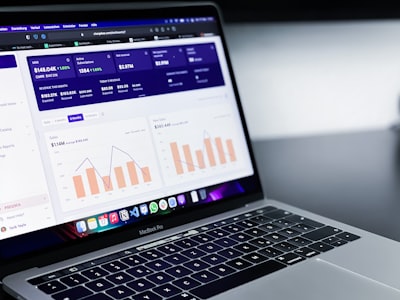
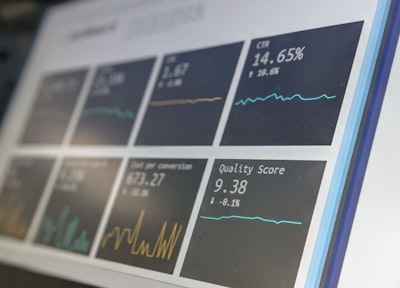
To prevent this automation from becoming a black box, the intranet needs a business intelligence layer. This is where BI and Power BI dashboards come in, showing real-time indicators: average resolution time, number of completed tasks, bottlenecks and cost per process. Without this visibility, it is impossible to affirm that waste is being reduced; there is only an intuition. With well-designed dashboards, every manager can see exactly where waiting accumulates and which process should be redesigned.
Infrastructure also matters. Deploying an intranet with workflow automation on AWS or Azure cloud allows the system to scale as the workforce grows, remote teams to access it securely and backup copies to follow solid protocols. Many companies hesitate because they believe they will have to replace their ERP, CRM or email platform. The reality is different: a modern intranet is built as an integration layer that talks to existing systems through APIs. This makes the transformation gradual and does not put daily operations at risk.
Cybersecurity is the condition for waste reduction to be sustainable. An automated workflow acting on sensitive data without access control, encryption or traceability can generate a much greater cost than the operational saving. For this reason, a professional intranet includes centralized authentication, role-based permissions, audit logs and human review at sensitive points. Q2BSTUDIO integrates cybersecurity measures from the design stage, preventing execution speed from becoming a risk for the organization.
Q2BSTUDIO approaches each project with a business perspective, not only a technical one. Before writing a line of code, a discovery phase is carried out to understand how people work, what systems they use and what metrics reflect improvement. Then a minimum viable product is built to deliver results in weeks, its impact is measured and the process is adjusted before extending it to the rest of the company. This approach reduces waste in the project itself and avoids large investments based on assumptions.
In sectors with physical operations, the intranet can also connect to IoT sensors to detect abnormal energy consumption, inventory levels or equipment conditions. If a threshold is exceeded, the automated workflow generates an alert or launches a corrective action: reschedule a production order, request material replenishment or notify the maintenance manager. Thus, waste reduction is not limited to documents and digital processes; it reaches the company's physical resources.
Human impact is as important as technical impact. Workflow automation is not about monitoring people's work, but about eliminating tasks nobody wants to do. When employees stop copying data from one system to another, chasing signatures or rebuilding reports, they can spend their time on customer relationships, product improvement and complex problem solving. A well-implemented intranet with automation improves employee experience, and that also reduces waste in the form of turnover and lack of motivation.
The required investment depends on scope, but there is no need to wait years to see a return. A focused deployment can be completed in one or two months and usually pays for itself during the first year. The highest cost for most companies is not technology; it is continuing to operate with manual processes that absorb more and more hours. The smart decision is not to buy another isolated tool, but to build a platform that consolidates communication, data and execution.
So, does an intranet with workflow automation reduce waste? Yes, as long as it is designed with purpose, integrated with the company's real systems and measured with clear indicators. Technology by itself does not eliminate waste; it makes it visible and turns it into a structured problem that can be solved. Q2BSTUDIO accompanies companies in this process: from AI agent models to the control dashboard, including cloud, cybersecurity and custom software development. The difference is perceived in the hours returned to people and in the margins that are no longer lost.