The corporate intranet has evolved from a simple document repository into an organization's digital nervous system. When combined with process automation, it becomes a platform capable of driving concrete environmental goals: reducing energy consumption, managing waste efficiently, lowering emissions and complying with increasingly demanding regulations. This article explores how a modern intranet, supported by cloud technology, artificial intelligence and data analytics, can help companies align their daily operations with their sustainability commitments.
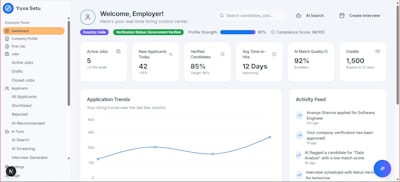
The first step toward supporting environmental goals is measurement. Many companies lack real-time visibility into their resource consumption or the impact of their processes. An intranet with integrated automation enables continuous data collection from different sources: energy sensors, waste management systems, vehicle fleets, suppliers and work teams. This data is consolidated into a centralized repository, where business intelligence software turns it into clear, actionable indicators. A Power BI dashboard can show, for example, the carbon footprint per department or the evolution of recycling at each site.
Automation adds an action layer that goes beyond measurement. Digital workflows replace manual processes based on paper, emails and spreadsheets. A request for investment in solar panels, an internal energy efficiency audit or a plastic reduction plan can be managed entirely from the intranet, with automatic approvals, reminders and full traceability. This reduces errors, accelerates decisions and frees staff time for higher-value tasks.
Artificial intelligence multiplies the intranet's capabilities. AI agents can analyze large volumes of environmental data, detect anomalous patterns and suggest corrective actions. For example, an agent can identify that an industrial facility is consuming more electricity than expected and recommend a review of the HVAC system. Another agent can automatically classify employee requests related to sustainable mobility, prioritizing those with the greatest impact. These functionalities are developed through custom software integrations that connect with the existing infrastructure.
For this entire architecture to work reliably, a solid foundation of cybersecurity and cloud is essential. Environmental data, although not always confidential, is part of corporate governance and must be protected against unauthorized access. Solutions deployed on AWS or Azure offer scalability, resilience and advanced security tools, such as encryption in transit and at rest, identity management and continuous auditing. A well-designed intranet segments access by role and applies the principle of least privilege, ensuring that only authorized personnel can modify or export sensitive information.
Integration with corporate systems is another pillar. An intranet with automation does not live in isolation: it must connect with the ERP, CRM, project management tools and internal communication platforms. This allows environmental data to flow seamlessly across departments and sustainability indicators to become part of executive dashboards. Companies already using Microsoft Teams or SharePoint can extend their capabilities without replacing their technology investments, thanks to connectors and APIs developed by specialists.
Implementing these solutions is not without challenges. One of the most common is information silos: each department stores its own data in different formats. Automation forces the definition of standards and clear governance. Another challenge is resistance to change, especially when employees perceive technology as a threat. Therefore, a communication and training strategy is as important as the technical development itself. Q2BSTUDIO supports organizations in this process, solving both technological and organizational issues.
The impact of these solutions is not only environmental, but also economic. Reducing paper, energy and travel consumption implies direct savings. Optimizing internal logistics with smart routes reduces fuel used by the fleet. Automating regulatory reports avoids penalties and reduces administrative work. In addition, a company that demonstrates real progress in sustainability improves its reputation with customers, investors and young talent, who increasingly value an organization's environmental commitment.
On the regulatory front, pressure is growing. Directives such as CSRD in Europe require many companies to publish detailed information on their environmental performance. An intranet with automation greatly facilitates this task, since data is collected and structured continuously, rather than waiting until year-end to perform manual collection. Reports generated from the intranet can align with standards such as GRI or SASB, providing regulators and investors with a reliable and auditable view of the company's progress.
Q2BSTUDIO, a software and technology development company, supports organizations in this process with a practical and results-driven approach. Its team combines experience in custom software, artificial intelligence, automation, cybersecurity and cloud services to build intranets that not only digitize processes, but also drive the business's environmental strategy. Each project starts with a detailed diagnosis of current workflows and sustainability objectives, to design a solution that fits the corporate culture and existing systems.
A differentiating aspect of Q2BSTUDIO is its ability to integrate the intranet with the company's technology ecosystem. Whether through proprietary APIs, standard connectors or custom developments, environmental information travels securely between the intranet, the data warehouse and visualization tools. Clients can manage their indicators without depending on the IT department for every change, thanks to web portals that allow them to configure alerts, modify thresholds and generate reports autonomously. This autonomy is key to making sustainability a daily practice rather than a one-off project.
Adopting an intranet with automation should not be seen as a purely technological project, but as a strategic transformation initiative. It requires management commitment, employee participation and the support of a partner with proven experience. Technology is the enabler, but cultural change is the real engine. Companies that understand this manage to turn their environmental goals from statements of intent into measurable, auditable results that can be communicated to stakeholders.
In conclusion, the intranet with automation is much more than an internal productivity tool. It is a lever for companies to achieve their sustainability goals with rigor and transparency. The combination of custom software, AI agents, business intelligence dashboards, secure cloud infrastructure and advanced cybersecurity creates an environment where environmental improvement is managed with the same discipline as any other business area. Q2BSTUDIO offers the necessary experience to turn that vision into an operational reality, with scalable, secure projects aligned with the needs of each organization.