As a designer, I have always been fascinated by the intersection between design and technology. The gap between designer and developer has always been an intriguing challenge, but I didn't expect to cross it so soon.
The development of a pixel-style icon library began as a design project to capture the nostalgic essence of a unique visual identity. However, transforming a Figma design file into a fully functional website was an unexpected challenge. By getting to know AI-assisted development tools, the process became more accessible and faster.
The main challenge was the lack of coding experience. However, with the help of an AI-powered code editor, the process turned into an opportunity for learning and evolution. The guided assistance made it possible to establish the project structure, choose the right tools, and even set up the initial installation.
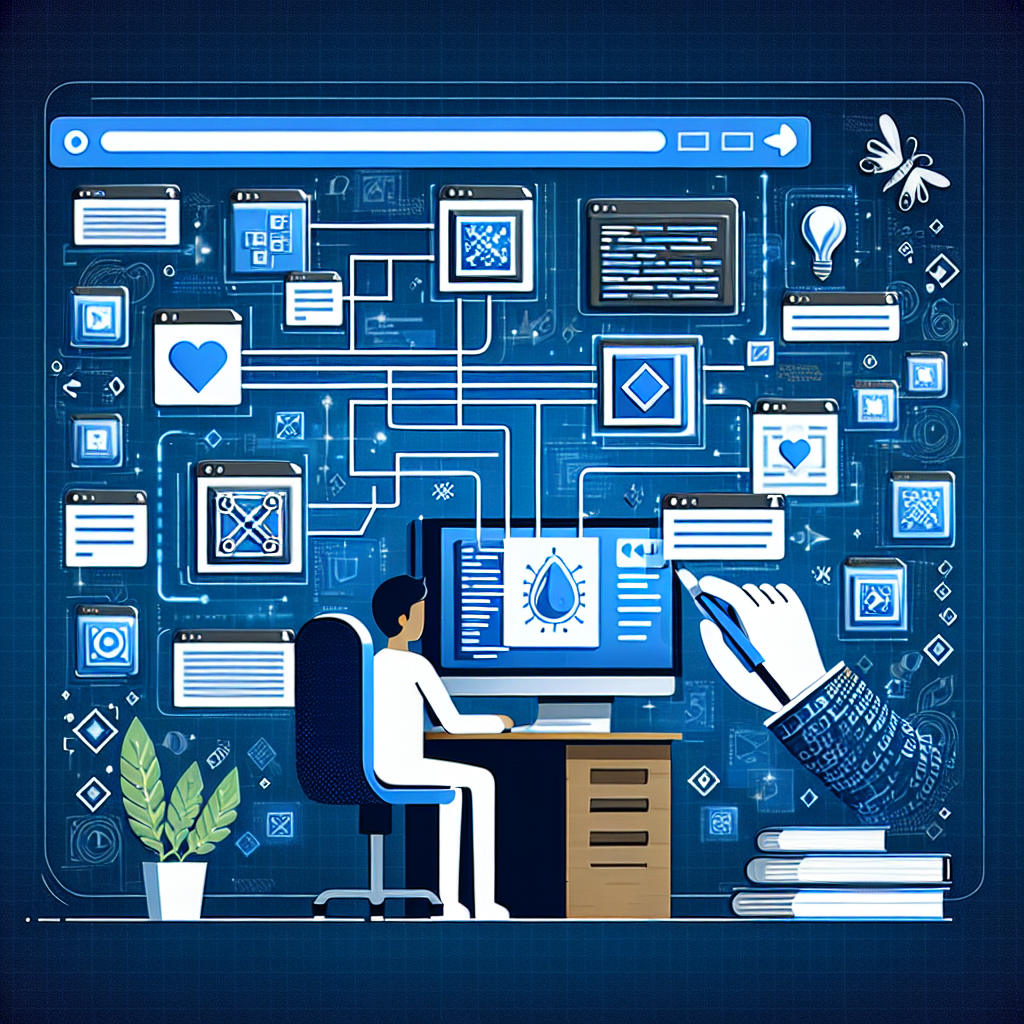
The first steps consisted of defining the key elements of the website: an icon library in SVG format, the design in Figma, and a list of desired features. From there, the process included creating a Git repository, installing Node.js, and configuring the development environment.
For building the interface, Tailwind CSS was used, defining colors, typography, and styles through predefined classes, ensuring speed and efficiency. The components were organized in a modular structure, following an orderly approach: navigation bar, footer, main section, and search system.
The biggest technical challenge was implementing the icon search and filtering. A JSON file was structured with icon metadata, allowing dynamic content loading and improving the user experience with an efficient search system based on names and categories.
Once development was completed and after several tests, the next step was implementation. For agile and free hosting, a direct deployment solution from the code repository was chosen, facilitating updates and ongoing maintenance.
With this project, it was demonstrated that the line between design and development is becoming increasingly blurred thanks to new technologies and tools. For any designer looking to expand their development skills, the key is to take the first step.
At Q2BSTUDIO, leaders in development and technology services, we understand the importance of innovation and the integration between design and technology. Our team specializes in creating efficient, customized digital solutions tailored to each client's needs.