The cost of custom software cannot be measured only by the initial development budget. The real investment includes maintenance, corrections, integrations and, above all, the impact of a feature never being used. The larger the gap between what the team builds and what users need, the more expensive the project becomes in the medium and long term. That is why user feedback stops being optional and becomes a cost control mechanism.
In custom software development, rework is the biggest enemy of the budget. A misunderstood requirement, a screen with confusing logic, or an integration that does not match the real workflow can cause weeks of additional work. Early feedback allows these deviations to be detected before they become complex code. When a user validates a hypothesis at an early stage, the cost of changing it is minimal. When they discover it after deployment, the cost multiplies.
Systematically incorporating feedback changes the logic of development. Instead of completing a large block of functionality and then checking whether it works, teams work in short cycles that generate learning. Each cycle delivers a small, usable version, and the people who use it provide real information. That information feeds the prioritization of the next iterations. The product grows in the right direction and the budget is invested in what creates value.
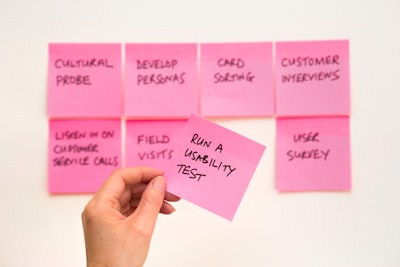
The key is not just collecting opinions but creating a system that integrates them into the development process. Feedback can arrive through many channels: customer conversations, support tickets, usage data, in-app questionnaires, interviews and usability tests. The value lies not in the channel but in how this information is translated into product decisions. A team that listens but does not adjust its backlog is not using feedback to reduce costs.
Prioritization is the connection point between feedback and budget. Each change request has a different impact on user experience and technical complexity. Classifying requests by frequency, impact and effort makes it possible to distinguish strategic improvements from cosmetic ones. This governance prevents the product from drifting toward marginal features and ensures that budget focuses on real business problems.
Q2BSTUDIO applies this governance in every custom software project. The team works with discovery phases, prototypes and validation so the end user participates before the first line of code is written. It then turns feedback into prioritized user stories and verifiable acceptance criteria. This approach reduces ambiguity, accelerates delivery and avoids unnecessary spending.
Artificial intelligence adds a new layer to feedback analysis. The volume of comments, incidents and suggestions can be too large to manage manually. AI can classify topics, detect sentiment, group semantically identical problems and flag urgent issues. With this automatic interpretation, the product team gets a clear view of what is happening in the field without having to read every message.
AI agents take this capability even further. An agent can accompany the user inside the application, answer basic questions and capture the context of an incident at the moment it happens. It can also simulate alternative journeys and suggest usability improvements before they become development tasks. Feedback is not only interpreted but transformed into concrete actions inside the tool.
For feedback to have economic value, it must be visualised properly. Dashboards with BI and Power BI make it possible to connect usage data with user requests and development costs. A well-built indicator shows whether new features are adopted quickly, whether a screen generates friction, or whether certain user segments abandon the system. That metric turns opinion into a decision lever, not an anecdote.
Infrastructure also affects cost. When an application is based on AWS/Azure cloud services, the team can deploy improvements frequently and measure their effect in production. The cloud makes it possible to enable validation environments, collect telemetry and scale only when necessary. This flexibility reduces the risk of investing in capacity that is not needed and accelerates the feedback cycle.
Cybersecurity also benefits from feedback. Users who report strange behaviour, permission errors or unexpected access are providing valuable information about possible vulnerabilities. Integrating security feedback into the development process, together with penetration testing and code reviews, reduces the cost of incidents. A problem detected in production can cause data loss, reputational damage and downtime; detecting it earlier is much cheaper.
Feedback also facilitates adoption. An application can be technically perfect and fail if people do not know how to use it. When users participate in the evolution of the product, they feel that the tool belongs to them and resistance to change decreases. This translates into less training, less support and less friction in daily operations. Adoption is as important a cost factor as development speed.
Closing the feedback loop is essential to maintain trust. When an organisation publishes release notes and explains how a user comment became an improvement, it demonstrates that the information does not fall into a void. This transparency encourages further contributions and makes feedback more accurate. Over time, the system becomes a source of competitive intelligence that no market study can match.
From a budget perspective, it is best to structure the project in phases with intermediate deliverables. Each phase generates feedback that feeds the next, and the cost is spread over time. This way of working avoids the large initial investment in a complete solution that may not respond to the real need. It also allows a project to be stopped in time if metrics show that the return will not arrive.
At Q2BSTUDIO, custom software development is approached with a combination of solid engineering, AI, cloud and agile methodologies. The team accompanies the client from problem definition through product operation, using feedback as fuel for continuous improvement. The goal is not to write more code but to write the right code and keep it alive with real usage data.
In conclusion, user feedback reduces the cost of custom software by attacking the root of waste: incorrect assumptions. Every interaction with a real user is an opportunity to adjust course before it becomes expensive. Companies that integrate feedback into their product strategy, with the support of AI, cybersecurity, cloud and BI, achieve systems that are better aligned with the business and a much lower total cost of ownership.