Common use cases for expense control software go far beyond recording receipts and classifying invoices. Today, organizations seek a comprehensive view of corporate spending, with agile processes, reliable data and the ability to react quickly to any budget deviation. For a software development company like Q2BSTUDIO, the key is understanding that every business has its own approval rules, internal tools and reporting needs. This is why custom software development has become a highly valued alternative to rigid off-the-shelf products.
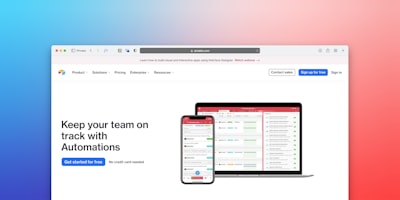
One of the main uses is the automation of workflows related to expense review. An expense control solution can automatically apply policies, request supporting documents at the moment, escalate issues and generate notifications without manual intervention. This frees finance teams from repetitive tasks and allows them to focus on analysis and finding saving opportunities. In advanced environments, AI agents can read documents, detect duplicates and flag irregular patterns before they reach accounting.
The second relevant use case is financial data management and analytics. A good system does not only store amounts; it transforms them into useful information for decision-making. Integrating expense data with Business Intelligence tools such as Power BI makes it easier to create dashboards that compare real budgets, trends by department, costs per project or supplier performance over time. With this visibility, managers can anticipate cash needs, renegotiate contracts and decide where to invest resources next.
Integration with the corporate ecosystem is another area where expense control software adds significant value. Companies usually work with ERP, CRM, banks and human resources systems. An expense platform connected with these pieces avoids double entries, reduces reconciliation errors and speeds up accounting closing. In addition, deploying the solution on cloud platforms such as AWS or Azure provides a scalable environment with automatic backups and secure access from anywhere.
Cybersecurity is another critical use case, especially when handling personal and financial data. Expense control requires protecting the confidentiality of invoices, bank accounts and employee information. Therefore, a robust implementation includes role-based access control, encryption, event auditing and anti-impersonation mechanisms. For a technology company, cybersecurity is not an added layer but an essential product property. Q2BSTUDIO applies security-by-design criteria, with penetration testing and continuous vulnerability review.
Expense control by departments and projects is also a frequent use case. Instead of analyzing spending globally, organizations need to assign each cost to the correct responsibility center. This makes it possible to calculate the real profitability of each initiative, compare resource consumption between areas and detect inefficiencies. When data is correctly labeled, the company can implement corrective measures quickly. Expense control software should capture not only the amount but also the context of every transaction, including the reason, customer or project phase.
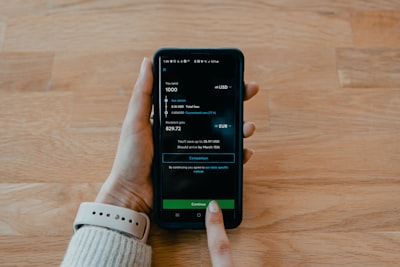
Another important use case is improving the experience of employees and suppliers. People who use the tool daily look for a simple, mobile-friendly interface with smart reminders. Employees want to leave paperwork behind and receive reimbursements without delays. Suppliers, in turn, need a clear channel to send invoices and know the status of their payments. With well-designed software, the organization achieves greater internal satisfaction and a more professional relationship with its external ecosystem.
Scalability and digital transformation also appear among the most common use cases. As a company grows, its expense processes become more complex: new teams, offices in other countries, different currencies and local policies to comply with. A configurable solution allows these variables to be incorporated without rebuilding the entire system. In addition, expense control software can be connected with other digital initiatives, such as process automation, electronic invoicing or advanced analytics, creating a coherent technology ecosystem.
Finally, it is worth mentioning industry-specific use cases. In healthcare, expense control can be linked to research projects or clinical supplies. In manufacturing, to work orders and maintenance. In finance, to corporate card supervision and audit trail traceability. A technology-focused software development company like Q2BSTUDIO can design a solution that adapts to these nuances and evolves alongside the business.
In summary, expense control software use cases are wide-ranging, from operational automation to security, analytics and scalability. Defining the project scope properly and having the right technology partner makes the difference between a tool that adds extra work and one that delivers value. Q2BSTUDIO helps companies build and integrate this type of solution with a practical, results-driven approach.